The shop
One bench, one press, one ledger
Nikerina, Inc. is a small bindery and press workshop in Chicago, Georgia. This page says where the bench stands, how the work is ordered, and what the shop will not do.
Where the bench stands
The shop is a ground-floor room at 510 W Grant Pl in Chicago, Georgia, a small town on the coastal plain. The bench sits under the north window because the light there is steady and cool, and paper behaves better when the person folding it can see the grain. The press stands in the corner, the type cases along the interior wall, and the shelf of finished and returned books beside the door, where anyone collecting a book can see it before it is wrapped.
The room is not a showroom. It is a working space that keeps records: every repair, edition and ream of stock is written into the ledger, and the ledger is the reason this website exists. The site is the shop's copy of its own record, kept where customers can read it.
We serve coastal Georgia first — the towns within a day's drive of the bench — and correspond with readers and institutions further off. A book can travel; a conversation about a book can travel further.
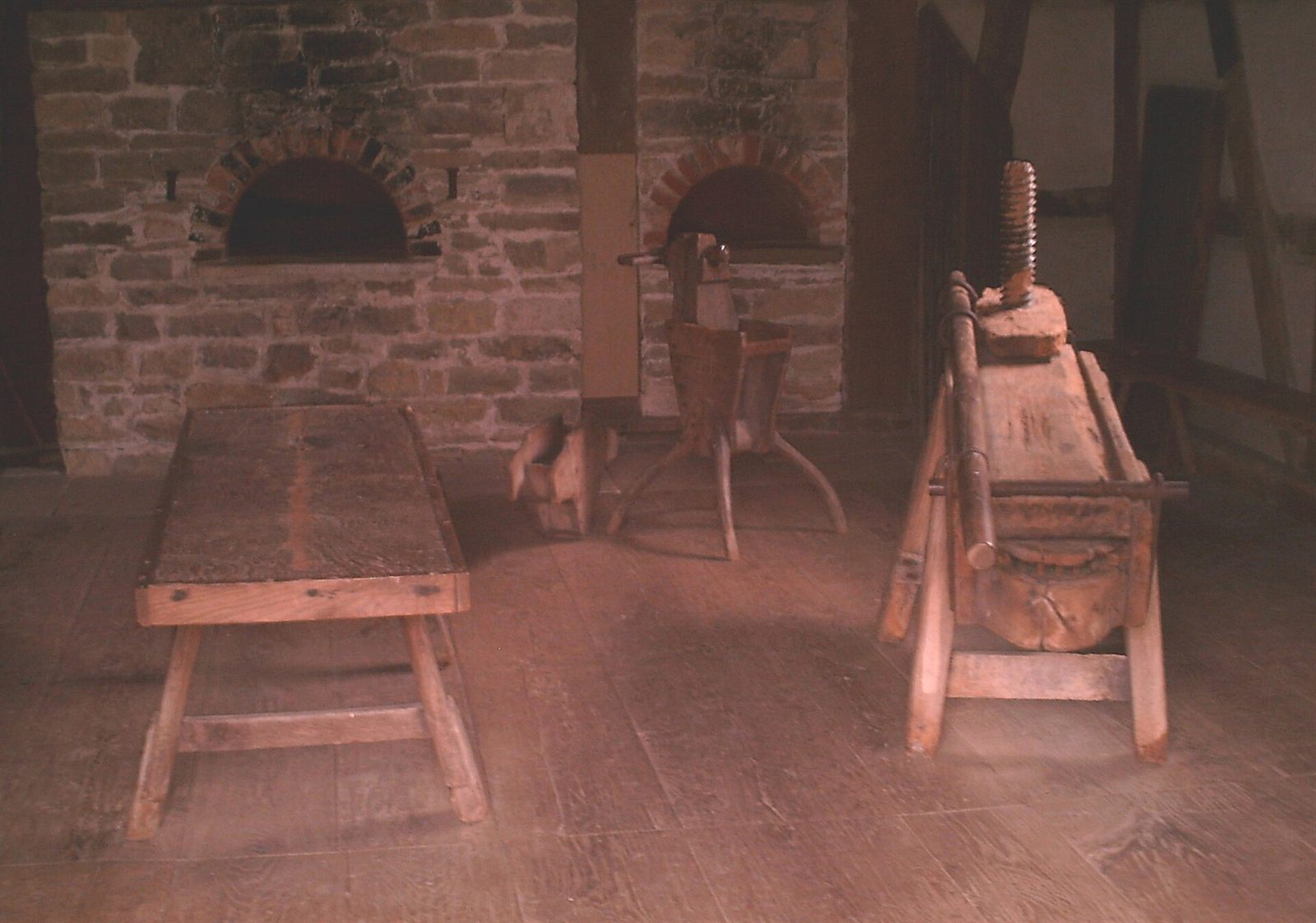
Why repair comes before new work
A sewn book that has come apart is asking for a small thing: new thread, sound hinges, endsheets that carry the strain instead of the board. The paper is usually still good. The sewing stations are usually still where the original binder put them. Repair is the shortest path between a broken book and a working one, and it keeps a made thing in use instead of adding another object to the world.
So the bench is ordered that way. Repairs are entered in the ledger ahead of new bindings, and new editions are scheduled around them. If a book can be saved, saving it is the job; making a new one to replace it is the fallback, not the preference. The books that arrive for repair are not rare objects on velvet. They are Bibles, cookbooks, field guides and ledgers — books that are held open with one hand while the other hand works.
The ledger habit
Every job gets an entry number. The entry records what came in, what was done to it, what thread and board were used, and when it went back to its owner. The habit started as shop memory — a way to answer, two years later, what a hinge was sized with — and it turned out to be the most useful thing the shop owns. Customers ask what was done to their book, and the answer is written down instead of remembered.
The public pages of this site are excerpts from that ledger: the bench notes on the front page, the editions record, and the paper and thread references. Private details of a customer's book stay in the paper volume on the shelf.
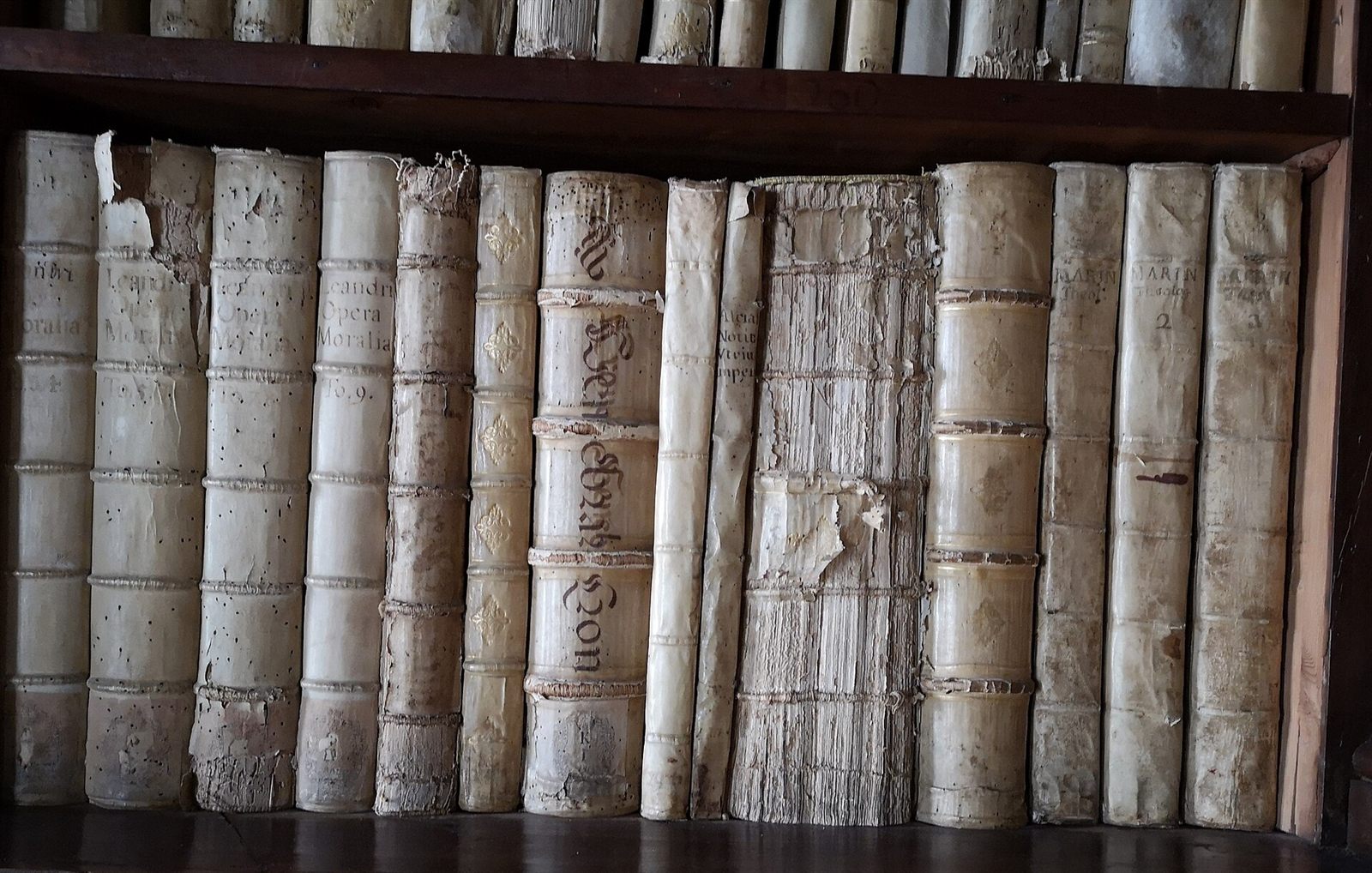
The bench with awl, bone folder and press
What the shop will not do
- No mass production. The bench makes what two hands can sew, press and case. Runs beyond a short edition go to a proper bindery, and we will say which kind suits the job.
- No glued spines on sewn books. A text block sewn on the bench is sewn. Adhesive belongs on the hinges and the case, not across the folds where the thread should be doing the work.
- No claims of archival permanence we cannot test. The shop has no laboratory. We can tell you what materials we used and why they are considered sound in the trade; we cannot promise a book will outlive anyone, and we do not say so.
- No work on a book we have not seen. A photograph helps with a first answer, but the estimate of a repair waits until the book is on the bench and opened.
The stamp is used on the cover of each ledger-bound edition. Two impressions per book: one on the case, one in the colophon.
Entry closed · Nikerina, Inc., Chicago, Georgia · sewn, not glued